Home
About Us
Profile
Honors
Culture
Workshop
Laboratory
Product
CER AMIC
Semi-metallic
Low-metallic
Download
Blog
Company News
Industry Trends
Contact Us
Contact information
Online Message
What to do if the brake pads are smoking in high temperature weather?
When the brake pads are smoking, it is recommended to park the car on a flat surface without a slope, release the handbrake, and put it in neutral. Then, try to push the car. If it doesn't move or is difficult to push, that means the rear wheels are locked. If it moves easily, there is another possibility: brake fluid from the rear wheels may be leaking onto the brake disc, causing high temperatures during braking that lead to evaporation or even burning and smoking. Regardless of whether it is one of the above reasons or some other issue, it is advisable for drivers to have their vehicle checked at a repair shop, as safety is the top priority.
29
2024
/
12
How often should brake fluid be changed? What are the consequences of not changing it?
When it comes to braking systems, many people immediately think of well-known brands of brake calipers and high-performance brake pads. However, for an excellent braking system to be able to "stop" at critical moments, relying solely on these "hardware" components is clearly not enough. It also requires an important "software" to work in conjunction with them in order to achieve the desired braking effect.
What materials are ceramic brake pads made of?
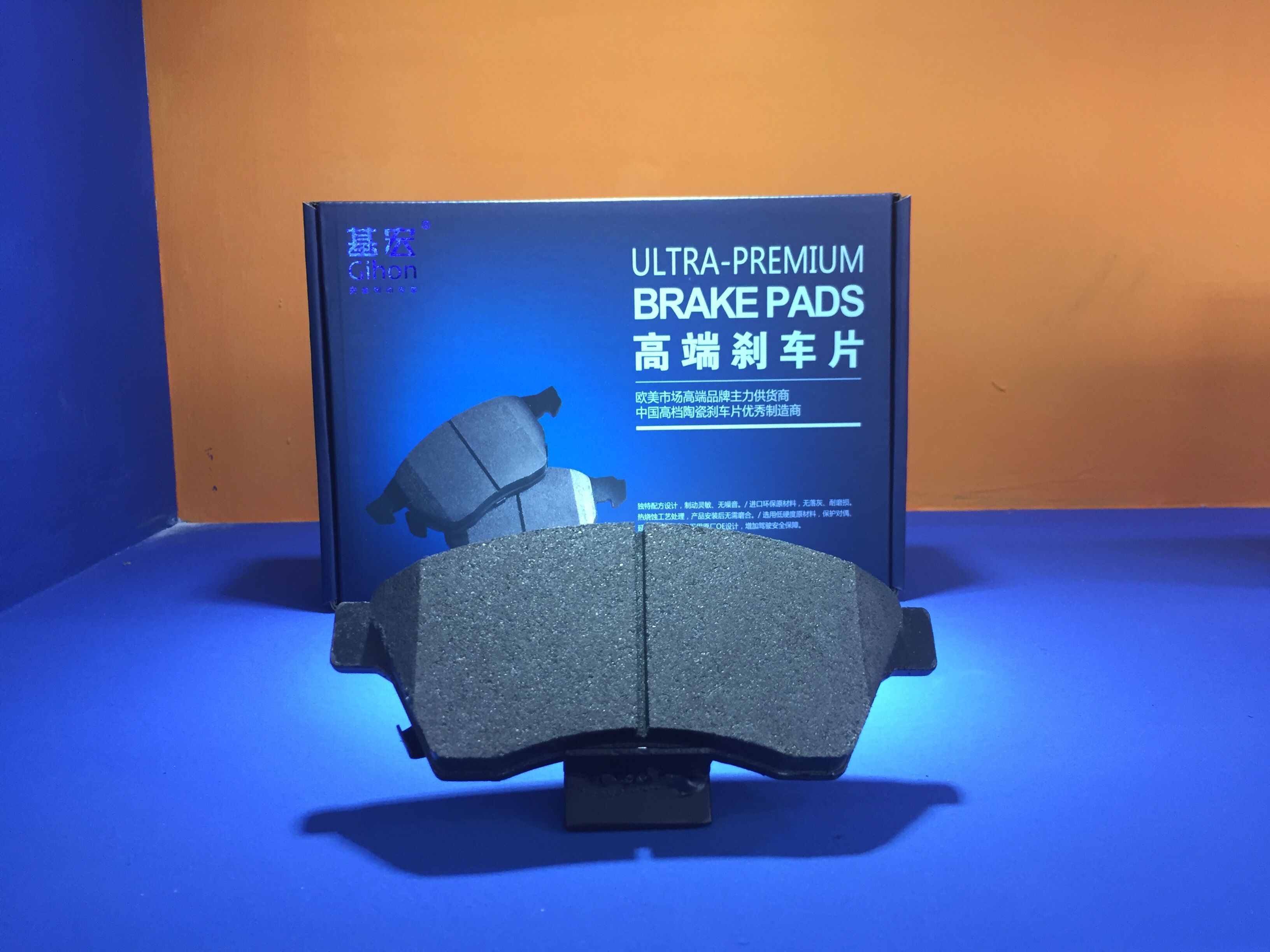
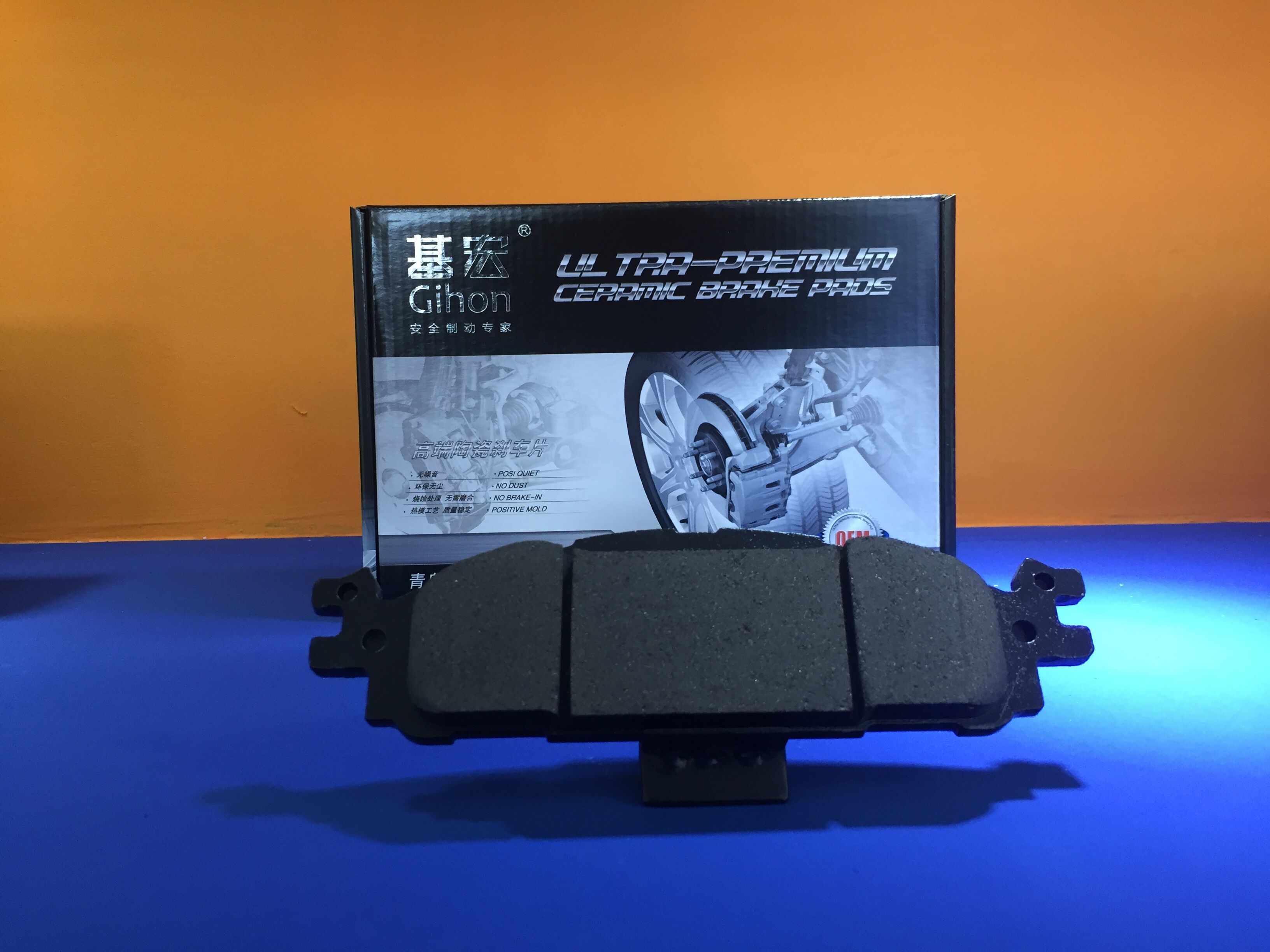
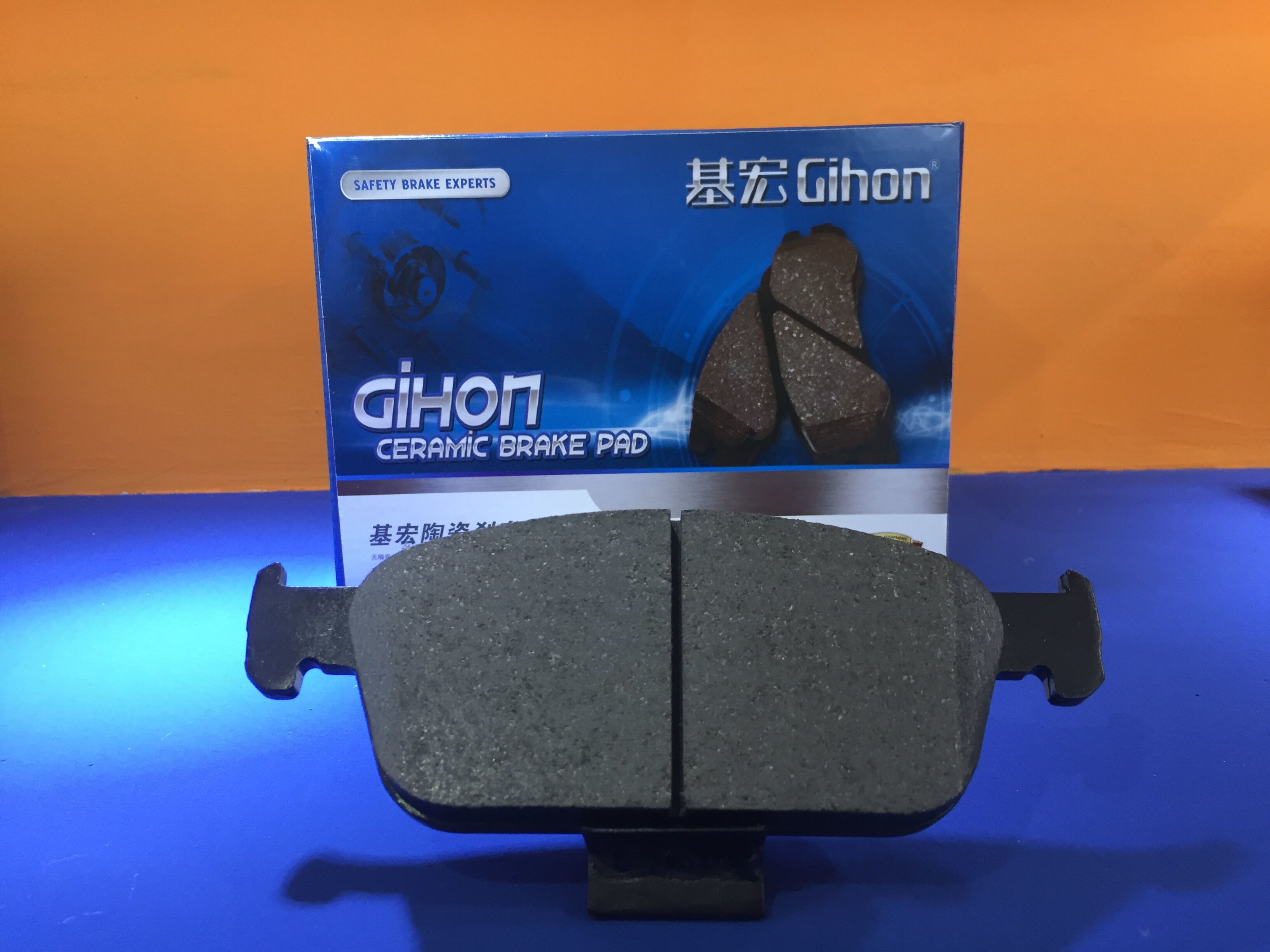
Ceramic brake pads have revolutionized the traditional concept of ceramic brake pads. They are made from ceramic fibers, iron-free filler materials, adhesives, and a small amount of metal. Ceramic brake pads are a type of brake pad, and many consumers initially mistakenly believe they are made of ceramic. In fact, ceramic brake pads are based on the principles of metal ceramics rather than non-metal ceramics. When braking with high speed and force, the friction surface generates high temperatures, which can reach 800 to 900 degrees, and in some cases even higher. At these high temperatures, the surface of the brake pad undergoes a sintering-like reaction similar to that of metal ceramics, providing good stability at this temperature. In contrast, traditional brake pads do not undergo a sintering reaction at these temperatures. The rapid increase in surface temperature can cause the surface material to melt or even create a gas cushion, which can lead to a significant reduction in braking performance or complete brake failure after continuous braking.
How to check brake pads yourself?
A new brake pad typically has a thickness of about 1.5 cm, and it gradually wears down with use. Professional technicians recommend that when the thickness of the brake pad is visibly reduced to about 1/3 of its original thickness (approximately 0.5 cm), vehicle owners should increase the frequency of self-checks and be ready to replace it. Of course, some vehicle models may not allow for visual inspection due to wheel design, requiring the tire to be removed for a proper check. Each brake pad has a raised indicator on both sides, which is about two to three millimeters thick. This is also the minimum thickness for replacing the brake pads. If the thickness of the brake pad is parallel to this indicator, it must be replaced. Therefore, when the brake pad thickness approaches this indicator, vehicle owners should be vigilant and prepared. However, it is difficult to accurately observe without removing the tire. Currently, many models will provide a warning on the dashboard when the brake pads are too thin, making self-checking a bit easier.
The handbrake and foot brake are not the same brake pads. If the foot brake fails, the handbrake can still function. What are your thoughts on this?
The foot brake is the main braking method during the vehicle's operation, implemented through a hydraulic system. When the driver presses the brake pedal, the brake fluid generates pressure under the action of the hydraulic system, pushing the piston in the brake caliper, causing the brake pads to make close contact with the brake disc (or brake drum), generating a strong friction force, thereby slowing down or stopping the vehicle.
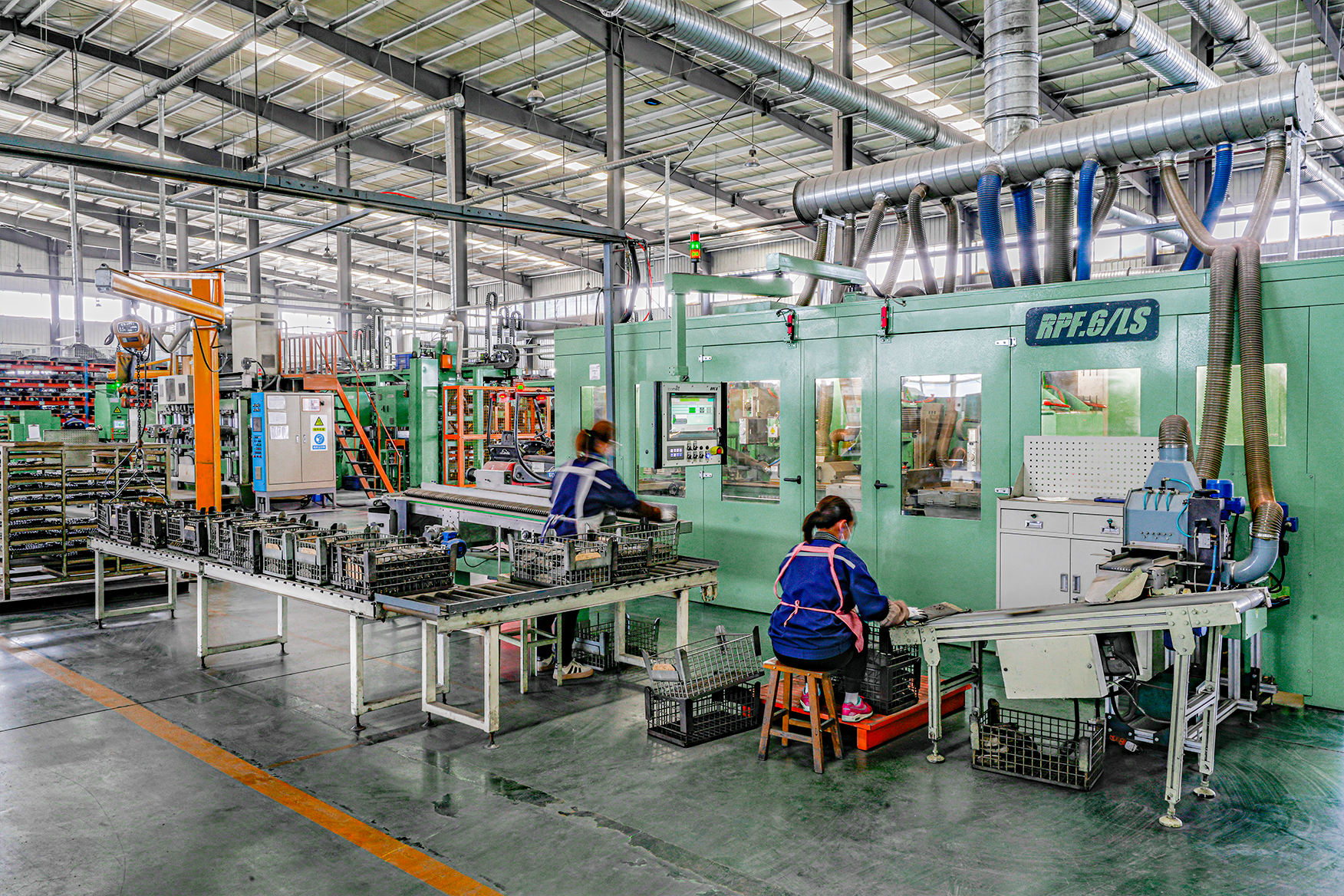
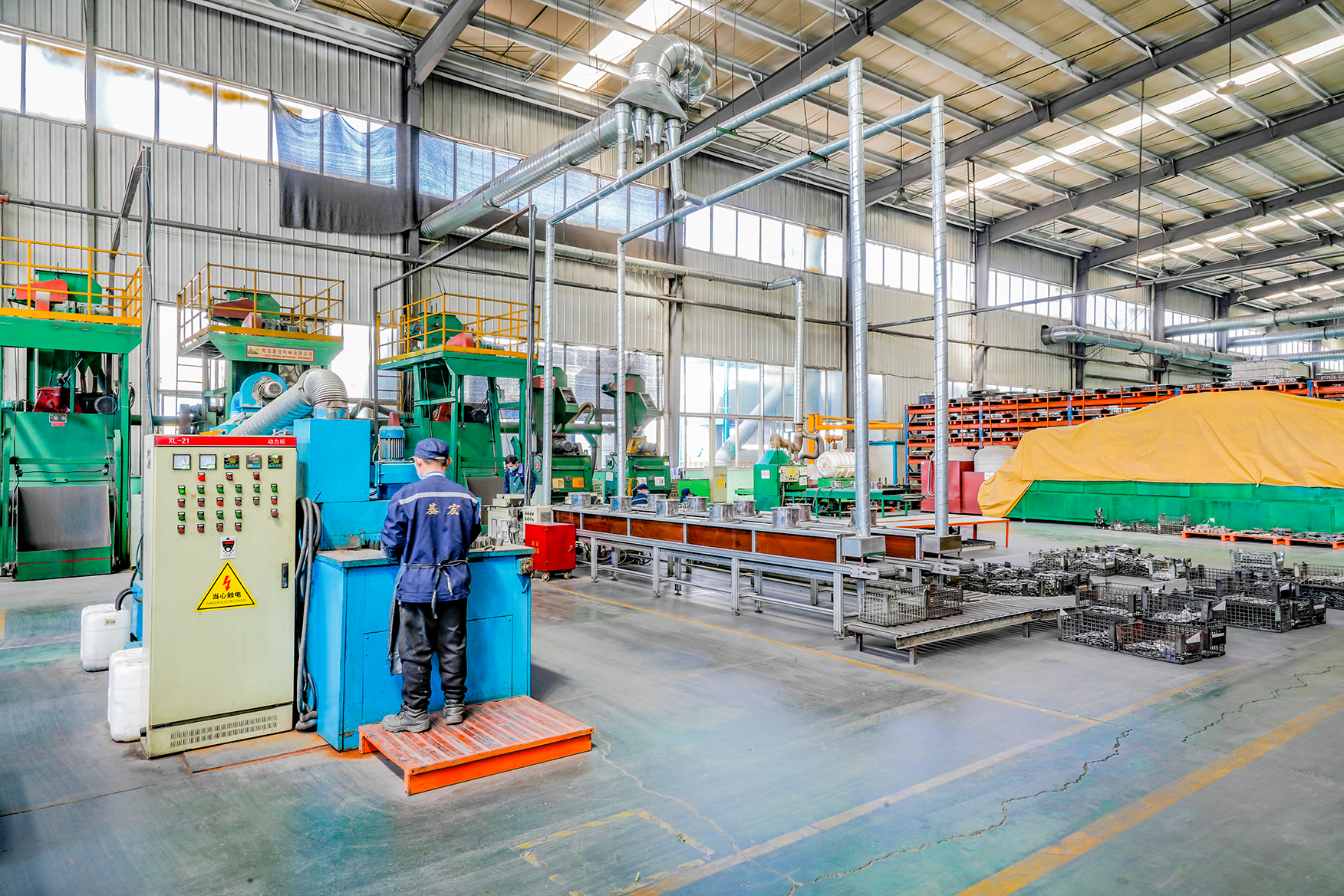
Qingdao Jihong Automotive Parts Co., Ltd. is a manufacturer specializing in the production of friction materials and braking equipment.
The company has a mature product formula system, including ceramic formulas, semi-metallic formulas, and low-metal formulas, which meet the braking needs of vehicles in Europe, America, Japan, South Korea, and domestic markets. At the same time, our company has independent R&D capabilities to develop products based on customer requirements and different vehicle models. We have a comprehensive quality assurance system, implement ERP enterprise resource management, and have passed certifications such as IATF16949, ISO14001, ISO9001, and GB5763-2008. We possess advanced quality testing equipment, such as Link 3000, Link 3900, NVH noise testing room, Link 1620 thermal expansion compression testing machine, and shear testing machine, which can meet the testing requirements for various brake pad indicators. Our company will continue to adhere to a quality-based approach, with a focus on service and research, to provide the market with stable and reliable high-quality products.